
Black History Month | Fannie Lou Hamer and the Roots of Community Accountability
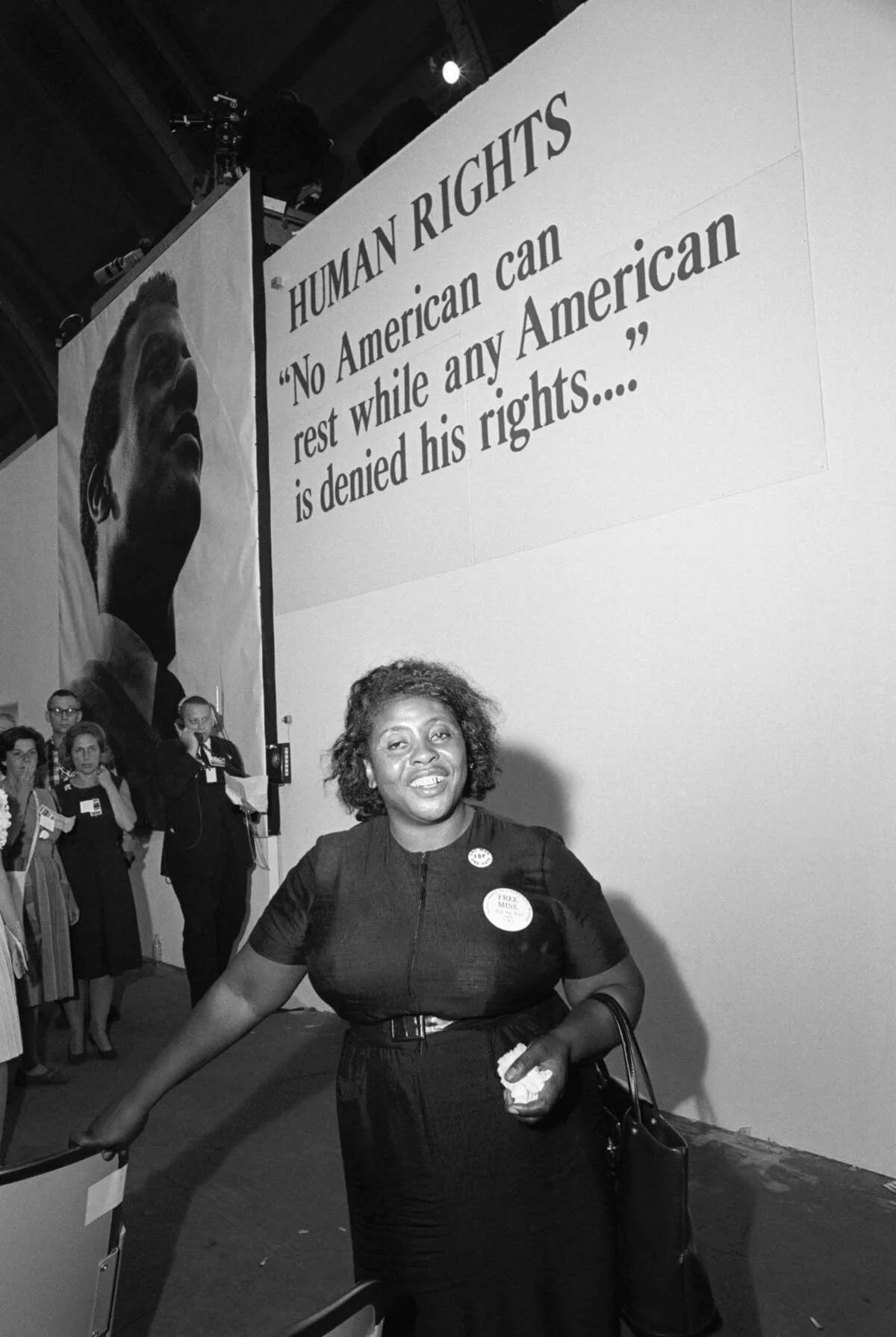
As we recognize Black History Month, we honor Fannie Lou Hamer and the example she set for what community accountability and care can look like in practice.
Hamer is widely remembered for her leadership in the fight for voting rights, but her work in Mississippi also reflects principles that sit at the heart of restorative justice. She did not only challenge unjust systems. She built community-based responses that helped people survive, stabilize, and remain connected to one another when those systems caused harm.
Through the Freedom Farm Cooperative, Hamer helped create access to land, food, and shared resources for neighbors who had been jailed, fired, or displaced for standing up for their rights. She understood something we see every day in this work: people cannot meaningfully take responsibility, repair harm, or rebuild their lives if they are hungry, unhoused, or isolated. Stability is not separate from accountability. It is what makes accountability possible.
Her approach centered dignity. She refused to let people be defined by what the system said about them. She believed in collective responsibility, where neighbors showed up for neighbors and communities worked together to decide how to move forward after harm and hardship.
Long before restorative justice had a formal name, Fannie Lou Hamer was modeling many of its core principles through action: dignity for all people, shared responsibility, and community-led responses to injustice.
Her legacy reminds us that accountability and support are not opposites. They belong together, and they are strongest when rooted in community.