
Black History Month | Paying homage to Black leaders whose wisdom lives on in restorative justice
Black History Month is a time to honor the leaders whose wisdom continues to shape how communities practice restorative justice today.
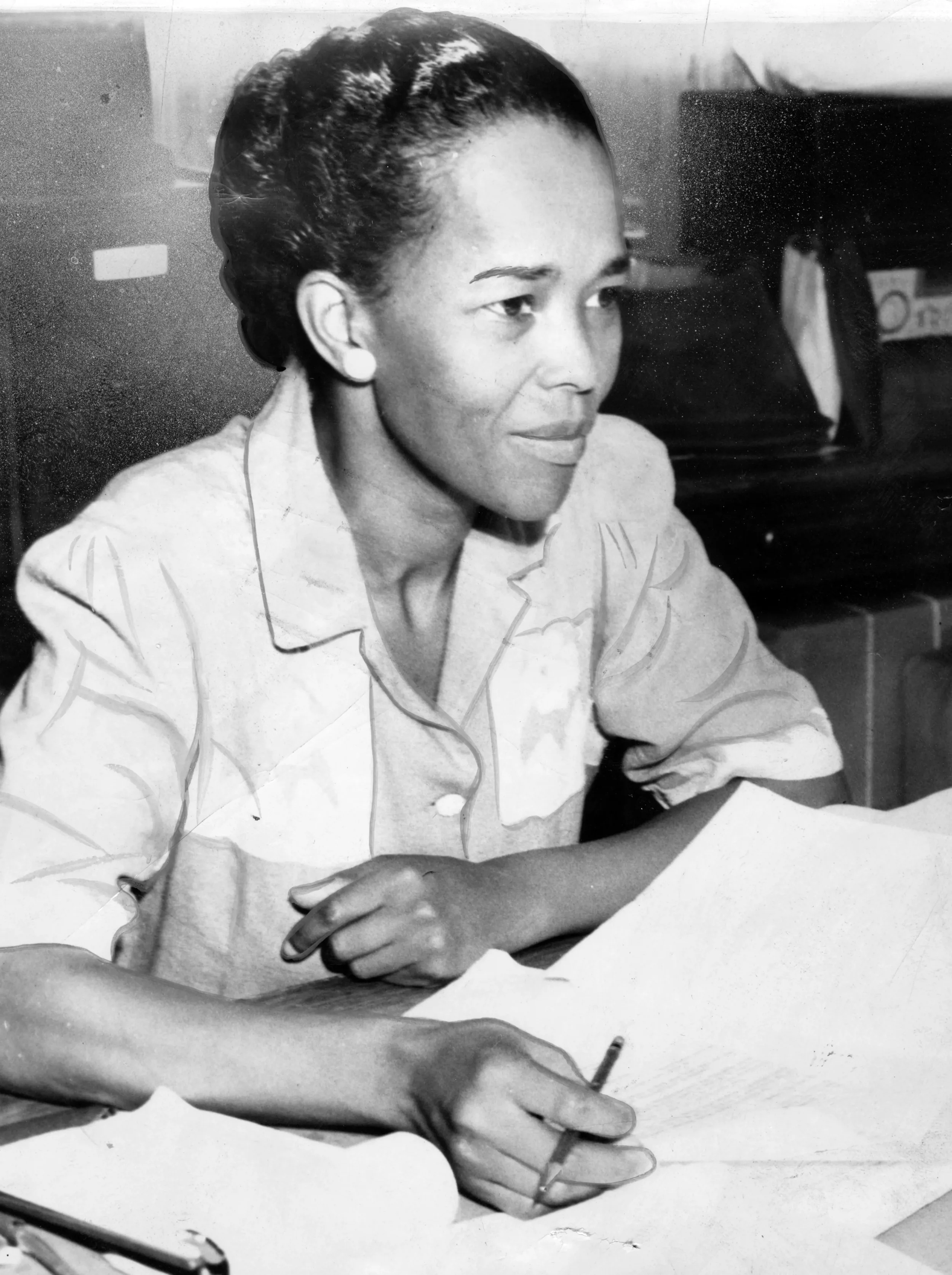
Modern restorative justice practice is deeply rooted in Indigenous peacemaking traditions. And throughout history, Black leaders like Ella Baker modeled what it looks like when communities come together to address harm, speak truth, and take responsibility for one another.
In 1960, she helped shape the Student Nonviolent Coordinating Committee, encouraging young people to lead themselves in small, local groups rather than relying on top-down leadership. She spent years traveling across the South with the NAACP, helping communities hold meetings where everyday people talked through problems and decided together what action to take.
She believed change came from people sitting together, listening, and working things out as a community. Shared voice. Collective accountability. Community ownership of harm and repair.
That is what happens every day inside circles at the Hartford Community Restorative Justice Center.